
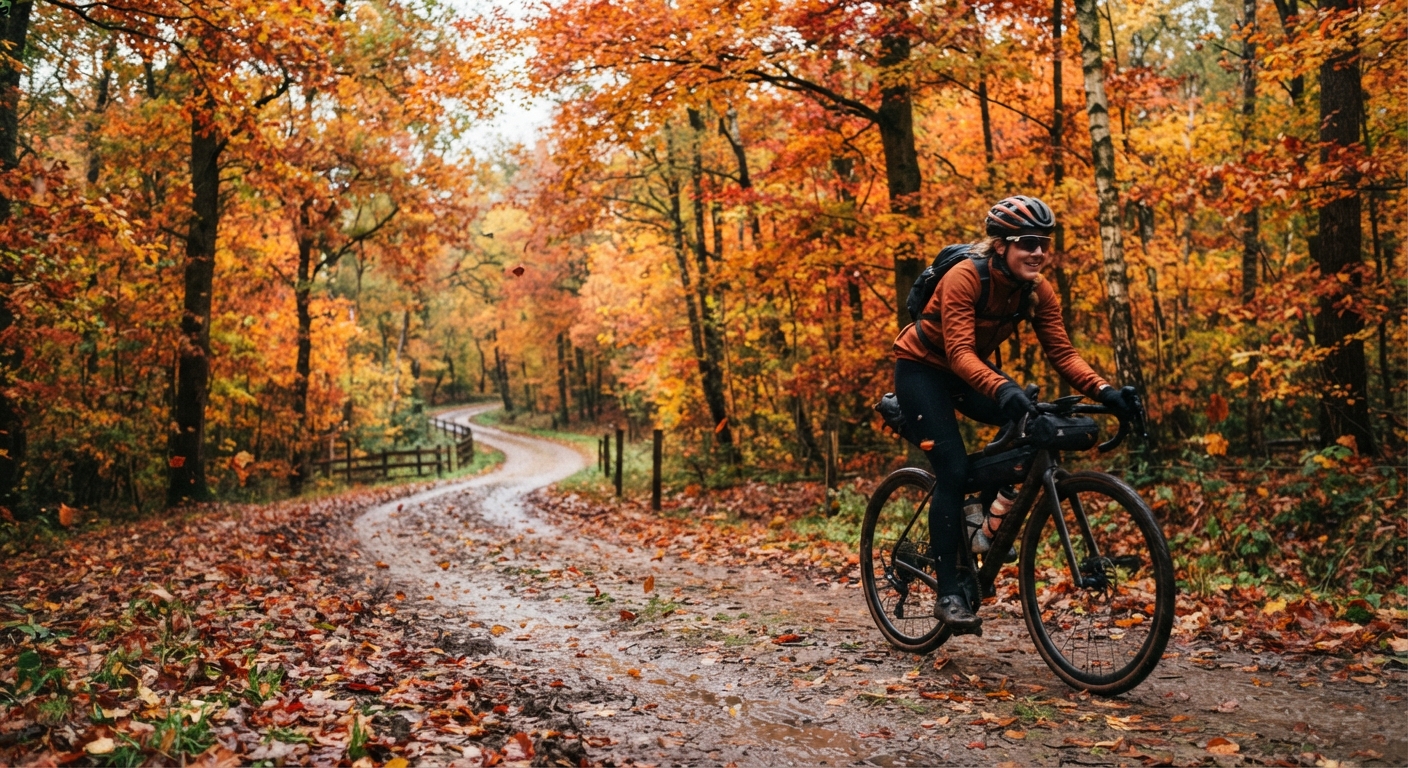
The clocks are about to go back, the mornings are colder, and the last thing many cyclists want to do is pull on the leg warmers and head out into the drizzle. But the riders who show up fittest and freshest when the sportive calendar opens again in spring are usually the ones who found a way to keep pedalling through the dark months. Losing your mojo over winter is easy. Keeping it is a matter of a few deliberate habits.
Find Your Group
Motivation is the first casualty of shorter days and colder weather, and the single best antidote is other people. A solo ride in November drizzle is easy to cancel; a club run with three mates waiting at the usual meeting point is much harder to bail on. 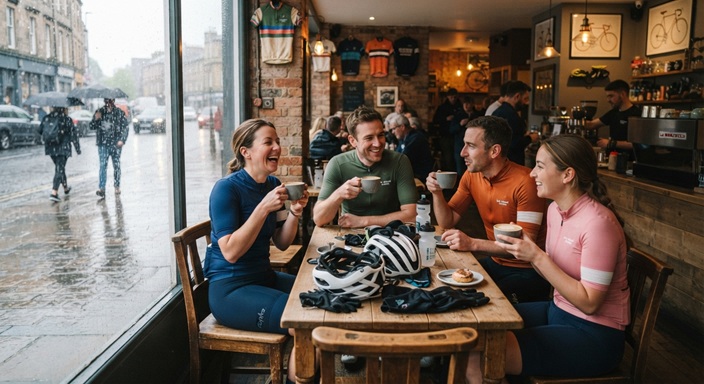 Most cycling clubs run dedicated winter training rides, often slower-paced and shorter than summer club runs, precisely because they know members’ enthusiasm dips. Joining one gives you a fixed appointment in the diary, a social reason to be there, and a bit of peer pressure that a solo session simply can’t replicate. If your local club doesn’t run a winter series, even arranging a standing Saturday morning ride with two or three friends does the job. The commitment to other people is often stronger than the commitment to yourself.
Riding Through Bad Weather
Nobody loves training in the wet and cold, but a few mental shifts make it more bearable. Treat foul-weather rides as “type two fun” — miserable at the time, satisfying afterwards — and remind yourself that the fitness gained on a grim February ride counts exactly the same as fitness gained on a sunny June one. Dressing properly matters more than willpower: a decent winter jacket, overshoes, and a set of thermal gloves will do more for your motivation than any pep talk. Many riders also find it helps to set a rule rather than make a decision each morning — “I ride unless there’s ice or a storm warning” removes the daily negotiation with yourself about whether today is bad enough to skip.
Beyond the Road: Greenways and Trails
Autumn and winter are also a good excuse to vary the terrain. Greenways, canal towpaths, and gravel or off-road trails tend to be more sheltered than exposed country roads, often drain better after rain, and remove the worry of low sun and wet leaves catching out road tyres on descents. A switch to a gravel or mountain bike for a few months works different muscles, improves bike-handling skills, and can feel like a genuine change of scene rather than a grim continuation of summer training. It also tends to be safer, with less traffic and slower average speeds, which matters when daylight is short and roads are greasy.
Setting Up the New Season
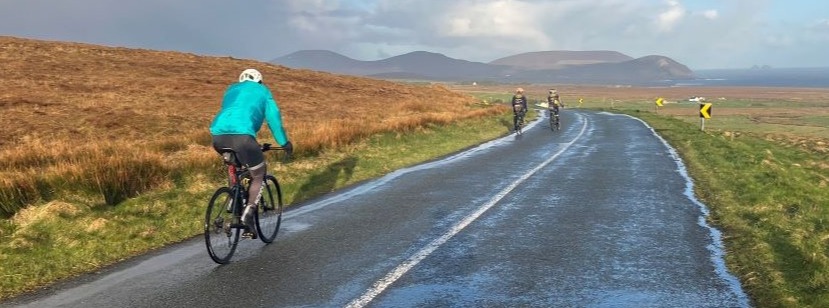
There’s a real payoff to all this. Riders who maintain a base of fitness through winter arrive at the start of the sportive season already able to handle distance and climbing, rather than starting from zero in March. That head start compounds: instead of spending the first two months of spring simply rebuilding lost fitness, you can spend them sharpening it, meaning you peak earlier and enjoy more of the season at a level you’re happy with.
Getting Fit Again After a Break
Not everyone manages to keep the thread going, and that’s fine too. Returning to cycling after weeks or months off — through illness, injury, work, or just losing the habit — brings its own challenges, and these become more pronounced with age. Recovery between hard efforts takes longer in your forties, fifties and beyond, and the temptation to pick up exactly where you left off is a common route to injury or burnout. The sensible approach is to rebuild gradually: shorter rides, more rest days, and patience with a heart rate and power output that may take weeks to return to previous levels. It’s worth remembering that even experienced racers accept a period of “getting the legs back,” and that consistency at a modest level beats a single heroic ride followed by another fortnight off the bike.
Training Indoors Without the Boredom
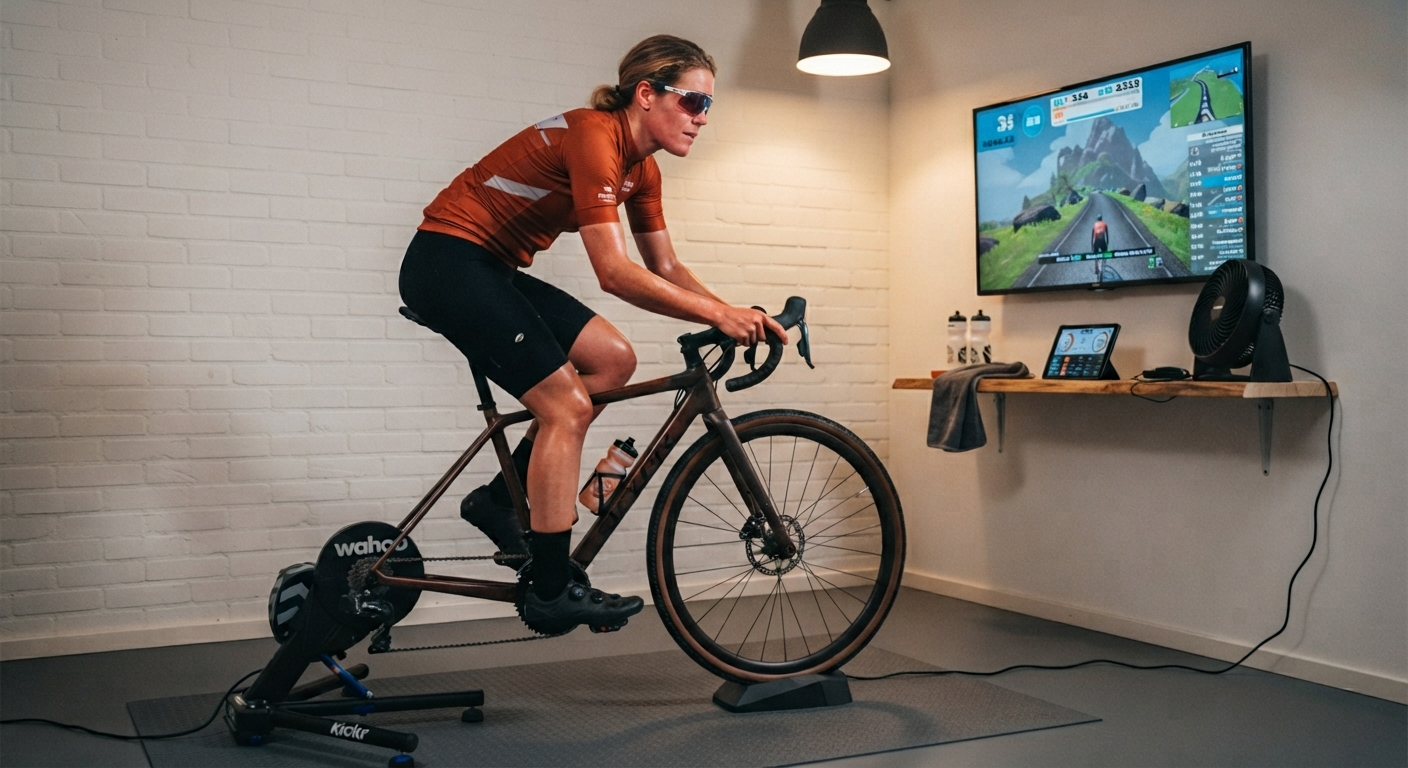
For genuinely grim days, a smart trainer is the practical answer. Modern platforms sync with apps that simulate real routes, run structured workouts, or place you in a virtual group ride with other users worldwide — all of which does a lot to stop indoor sessions feeling like a chore. Breaking sessions into intervals rather than long steady efforts helps too, as does simply watching something engaging, or saving your favourite playlist exclusively for turbo sessions so it stays fresh. Some riders keep indoor rides deliberately short and sharp, using them as a top-up to time spent outdoors rather than a full replacement — enough to maintain fitness without turning every session into an endurance test against your own boredom.
Whichever combination works for you — group rides, gravel trails, or turbo sessions — the goal is the same: keep the legs turning through the darker months, and spring will feel a lot easier.